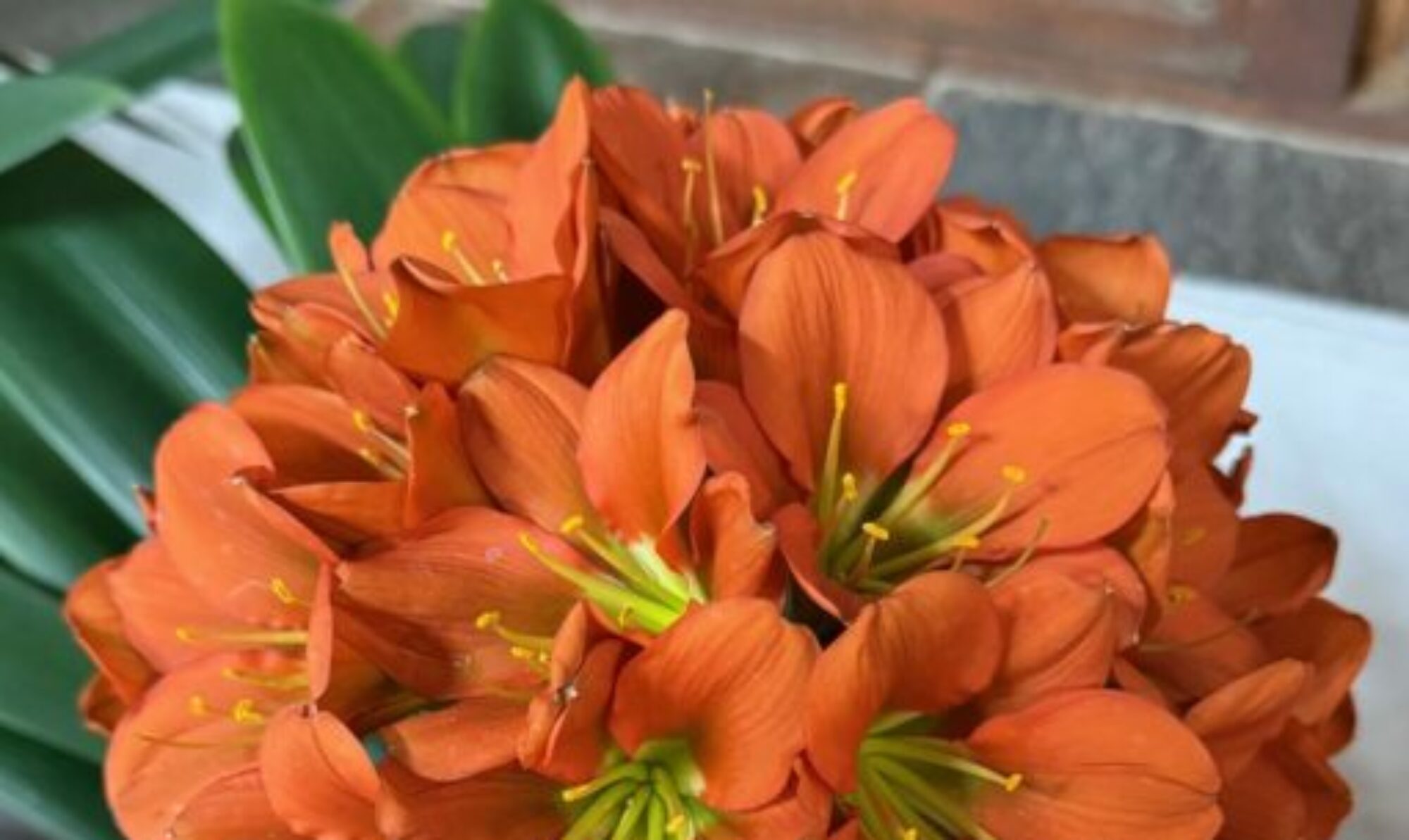

There is no simple way in which to guarantee the breeding of an exceptional plant. There are however suggestions to guide you on your way forward.
Genetic books are available on Clivia genetics.
Most of your knowledge will develop with time and experience.
A common term used amongst breeders is that successful breeding is based on a numbers game. The more crosses you make and the greater variety you have, the greater the chance of exceptional results. The number of exceptional plants produced is small. The exotic unusual colours are often the result of recessive trait inheritance. The majority of the results of random crossing will be orange coloured flowers. Good records will allow you know which of the orange siblings may be self-crossed or with the parent plants.
A major source of knowledge is acquired from your fellow breeders. Any breeder with impressive plants will have a wealth of knowledge of breeding methods.
Multiple gene inheritance is the only way to explain some of the extraordinary flower colours found in Clivia plants.
Genetic knowledge helps guide you to develop some of the colours found in the Clivia plants. For example – yellows are divided into groups and hybridising between the plants in the same group provides a yellow flower result. Crossing between different yellow groups will produce an orange flowering plant.
If you take the orange flowering plants from this cross and cross this with one of the other orange flowering plants from the cross, there is a 25 percent chance of producing a yellow flowering plant. If you take the same orange flowering plants and cross them with the yellow parent plant you have a 33 percent chance of producing a yellow flowering plant.
As far as yellow flowering plants are concerned, the group that the particular yellow fits into helps you with the production of yellow flowering plants in the first generation, by crossing it with itself or another yellow in the same group.
Many groups of plants produce desirable colours and not another orange flower. This knowledge comes with time and experience.
Some suggestions:
Breed broad leaf yellows. Chose the berry parent – the mother – for the best broad leaf plant – often an orange flowering plant. The pollen should be obtained from your best yellow flowering plant. The plants developed from this cross will all have orange flowers as orange is the dominant colour All these crosses are split for the yellow colour – half the genes come from the yellow parent. Cross these plants with each other and some of the progeny will flower yellow (25 percent.) Select the best broad leafed yellow plants and cross them with each other. A simple principle but the time it takes is a challenge. An easier but less challenging, more expensive way to start, is to purchase the best broad leaf yellow you can afford and move on from there.